
Skip to content
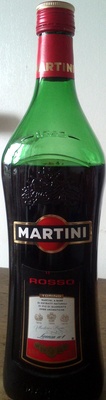
Martini Rouge
Martini Rouge - Martini, Martini & Rossi with score 87/100

Martini Rouge - European Score 87/100

Martini, Martini & Rossi

Martini Rouge by Martini, Martini & Rossi is rated 87/100 according to our European origin criteria. Excellent choice! This product strongly supports the European economy.

It is a food product found in 1 countries.

100 cl

5010677912075
🛡️ Data verified by Open Food Facts (v3)
🍽️ Food

Nutritional Scores

Nutri-Score
NOT-APPLICABLE
Eco-Score
C
NOVA
4

Ingredients

Vin, sucre, extraits d'herbes et plantes aromatiques, arômes "Quinine", colorant : caramel E150b, correcteur d'acidité : citrate de sodium, conservateur : sorbate de potassium.

Origin Data

Countries italy
Packaging Verre, Bouteille, Verre vert

European Score

0 /100
Purebred European

"More European than the Eurovision Song Contest."

Detailed Breakdown:

Scoring Methodology
Headquarters 35/35
Manufacturing 35/35
Ingredients 2/10
Distribution 15/15

Analysis:

  • Corporate headquarters in United Kingdom (+35 pts)
  • Manufactured in Europe (italy) (+35 pts)
  • Main European ingredients: sucre (+2 pts)
  • Distributed exclusively in Europe (1 countries) (+15 pts)
Amazon logo
Buy on Amazon

Affiliate link. Independent from score results.

European Score analysis

Martini Rouge scores 87/100 on European origin criteria. Among the very best: this scores higher than 98% of the 52 vermouth products we track. The brand is European-owned, which anchors the origin score. Manufacturing and distribution are documented within Europe.

  • The brand is European-owned, which anchors the origin score.
  • Manufacturing and distribution are documented within Europe.

Analysis & Insights

Expert Data Analysis

Martini Rouge stands as a prime example of transparency in the this category sector, achieving a score of 87/100. The data confirms a robust regional supply chain.

When analyzing the corporate structure of Martini, Martini & Rossi, we see its direct and positive impact on the regional economy.

Data confirms that this product fails to meet basic regional ecological expectations.

The item lacks the "farm-to-table" transparency of local brands, impacting consumer trust.

Traceability is at the heart of this product, with clear indicators of its verified European origin.

Compared to global competitors in this this category niche, the product offers superior traceability.

Looking for better alternatives...