
Skip to content
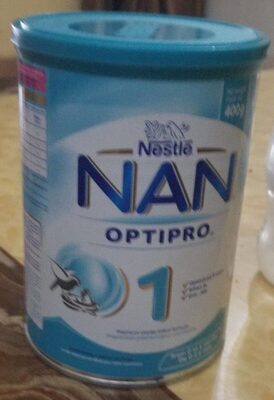
Nan
Nan - Nestlé with score 83/100

Nan - European Score 83/100

Nestlé

Nan by Nestlé is rated 83/100 according to our European origin criteria. Excellent choice! This product strongly supports the European economy.

It is a food product found in 2 countries. Manufacturing reported in: Mexique.

400 g

7501058633910
🛡️ Data verified by Open Food Facts
🍽️ Food

Nutritional Scores

Nutri-Score
NOT-APPLICABLE
Eco-Score
F
NOVA
4

Ingredients

Prótéines de lactosérum, lactose, oléine de palme, lait écrémé, huile de palme, huile de colza à faible teneur en acide érucique, huile de maïs , citrate de calcium, régulateur d'acidité : hydroxyde de potassium,,acide citrique, hydroxyde de sodium, émulsifiant lécithine de soja, vifamines: A, B1, B2, niacine (PP acide pontothénique (B5), B6, biotine (B7), acide folique (B9), B12, C, D3, E KI, huile de thon chlorure de potossium, L-phénylalanine, chlorure de magnésium, huile fongique, chlorure de sodium, phosphate de sodium, huile de tournesol, taurine. sulfate ferreux L-histidine, inositol, nucléotides, sulfate de zinc, culture de bifidus, sulfate de cuivre L-carnitine sulfate de manganèse, iodure de potassium, sélénate de sodium

Allergens

milk, soybeans

Origin Data

Countries senegal, united-kingdom
Manufacturing Places Mexique
Packaging Métal

European Score

0 /100
Purebred European

"More European than the Eurovision Song Contest."

Detailed Breakdown:

Scoring Methodology
Headquarters 35/35
Manufacturing 35/35
Ingredients 0/10
Distribution 8/15
Proximity +5

Analysis:

  • Corporate headquarters in Switzerland (+35 pts)
  • Manufactured in Europe (switzerland) (+35 pts)
  • Main ingredients not European
  • Distributed in 1/2 European countries (+8 pts)
  • Bonus: Completely European product (+5 pts)
Amazon logo
Buy on Amazon

Affiliate link. Independent from score results.

Analysis & Insights

Expert Data Analysis

With a critical score of 0/100, Nan shows a total lack of verifiable alignment with European industrial sovereignty.

When analyzing the corporate structure of Nestlé, we see its direct and positive impact on the regional economy.

Moderate transport mileage makes this a balanced but not leadership-level choice for the environment.

The lack of transparent health data for this product is a significant concern for the European consumer.

Traceability is at the heart of this product, with clear indicators of its verified European origin.

Fact-based analysis identifies the product as a poor choice for those prioritizing local roots.

Looking for better alternatives...