Dolmio: The Australian 'Nonna' Conquering British Kitchens

In British supermarkets, one brand dominates the pasta sauce aisle: Dolmio. The name sounds unmistakably Italian. The advertising features exuberant Italian puppet characters, complete with exaggerated accents and passionate gestures. The packaging promises authentic Italian recipes, the kind your nonna might have made if you had an Italian grandmother.
The brand is so thoroughly Italian in its presentation that most British consumers have never questioned its origin. Which makes the truth even more surprising: Dolmio was created in Australia by a food conglomerate with no Italian heritage whatsoever.
The Promise
Dolmio's brand promise is built entirely on Italian authenticity:
- The Name: "Dolmio" sounds like it could be an Italian surname, perhaps from a family of sauce-makers in Tuscany
- The Puppets: The famous Dolmio puppet family—with their exaggerated Italian mannerisms—suggest generations of pasta-making tradition
- The Recipes: Marketing implies authentic Italian recipes, handed down through families
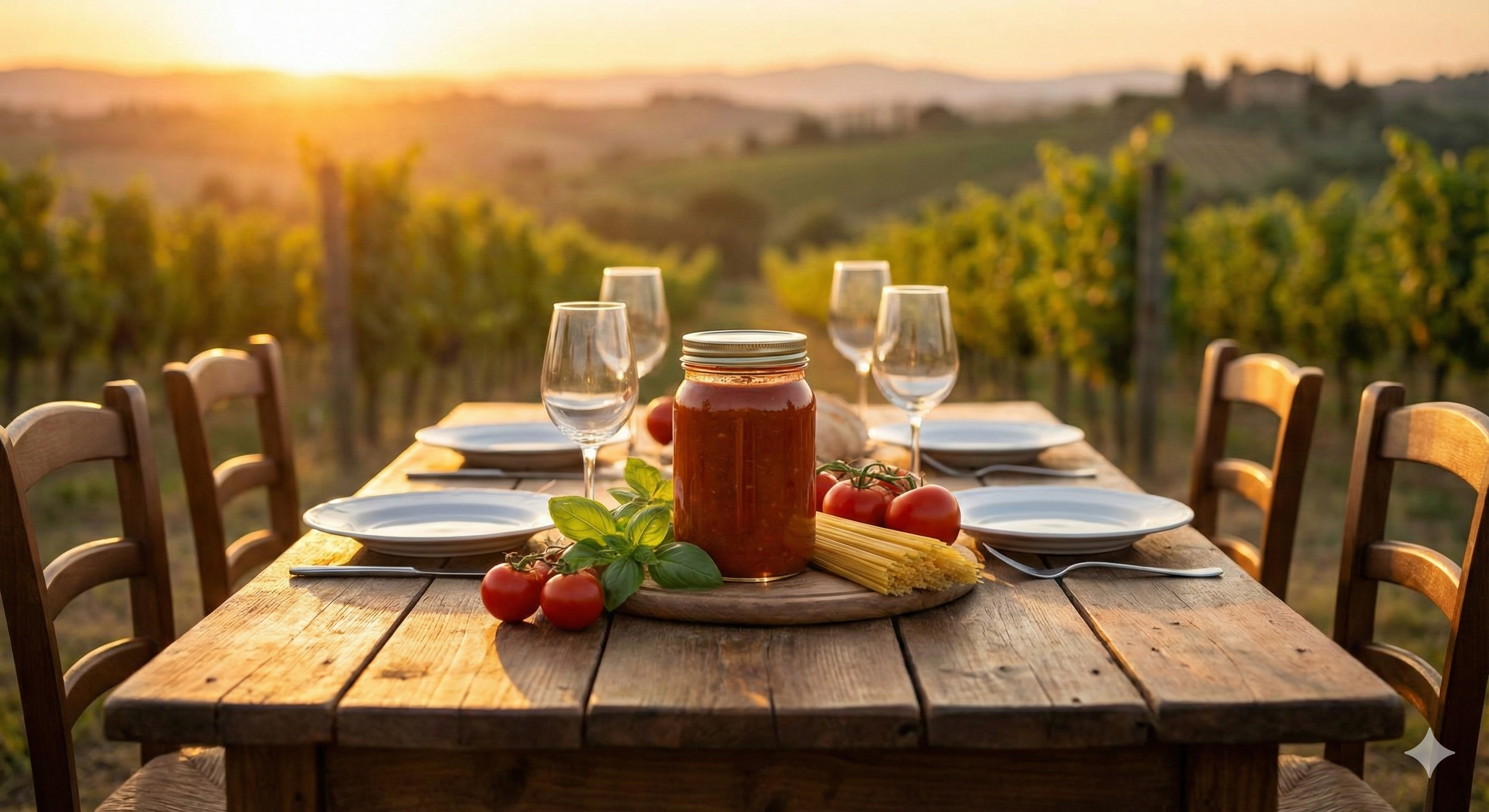
- The Imagery: Tuscan landscapes, rustic kitchens, tomatoes ripening in Mediterranean sun
When British consumers reach for Dolmio, they're buying the fantasy of Italian home cooking—la cucina della nonna—without the effort of actually learning to cook.
The Reality
Dolmio was created by Masterfoods (now Mars Food) in Australia. The brand was launched in 1985, developed by food scientists in Australian laboratories, not Italian grandmothers in rustic kitchens.
The name "Dolmio" was invented to sound Italian. It doesn't actually mean anything in Italian—it's pure linguistic fabrication, designed to trigger Italian associations in English-speaking consumers.
The brand was originally called "Alora" but was renamed to the more Italian-sounding "Dolmio" for the UK market launch. The change highlights how deliberately the Italian identity was constructed for marketing purposes.
The Brilliant Trick
The Puppet Family
Dolmio's advertising created an entire Italian family in puppet form—the Dolmio family, who appeared in UK television commercials for decades. These puppet characters:
- Spoke with exaggerated Italian accents
- Gestured enthusiastically about food
- Lived in a stereotypically Italian home
- Argued, celebrated, and bonded over pasta
The puppets were memorable, likeable, and utterly convincing as Italian archetypes. They created an emotional connection that transcended the product itself.
The "When's Your Dolmio Day?" Campaign
One of the brand's most successful campaigns asked families "When's your Dolmio day?"—suggesting that pasta with Dolmio sauce should be a regular family tradition. This brilliant positioning:
- Made Dolmio a ritual rather than just a product
- Associated the brand with family togetherness
- Created regular purchase occasions
- Borrowed the Italian cultural emphasis on family meals
Market Domination
The Italian branding worked extraordinarily well in the UK market. Dolmio became (and remains) the best-selling pasta sauce brand in Britain, outselling both actual Italian imports and other competitors.
What Dolmio Teaches Us
1. Invented Names Can Sound Authentic
"Dolmio" means nothing, but it sounds Italian enough to work. The name was engineered for phonetic effect, not meaning.
2. Characters Create Connection
The Dolmio puppet family gave the brand personality and memorability that ingredient lists never could.
3. Convenience Beats Authenticity
British consumers weren't looking for genuinely authentic Italian cooking—they were looking for something easy that felt Italian. Dolmio delivered exactly that.
The Verdict
Dolmio is foreign branding at its most commercially successful. Like Kinder, the Italian chocolate with a German name, it proves that in the supermarket aisle, perceived origin trumps the label. An Australian company invented an Italian brand name, created stereotypical Italian mascots, and convinced an entire country that they were getting authentic Mediterranean cuisine from a jar.
The brand continues to dominate, proof that in food marketing, perceived authenticity matters more than actual origin. British families have been having their "Dolmio days" for nearly four decades—and most have never wondered whether the sauce has any real connection to Italy.
It doesn't. But it doesn't need to. The fantasy is the product.
Next in the series: Paris Baguette and Tous Les Jours, the Korean bakery chains selling French dreams across the globe.