Neutrogena: Norwegian Fishermen from Los Angeles

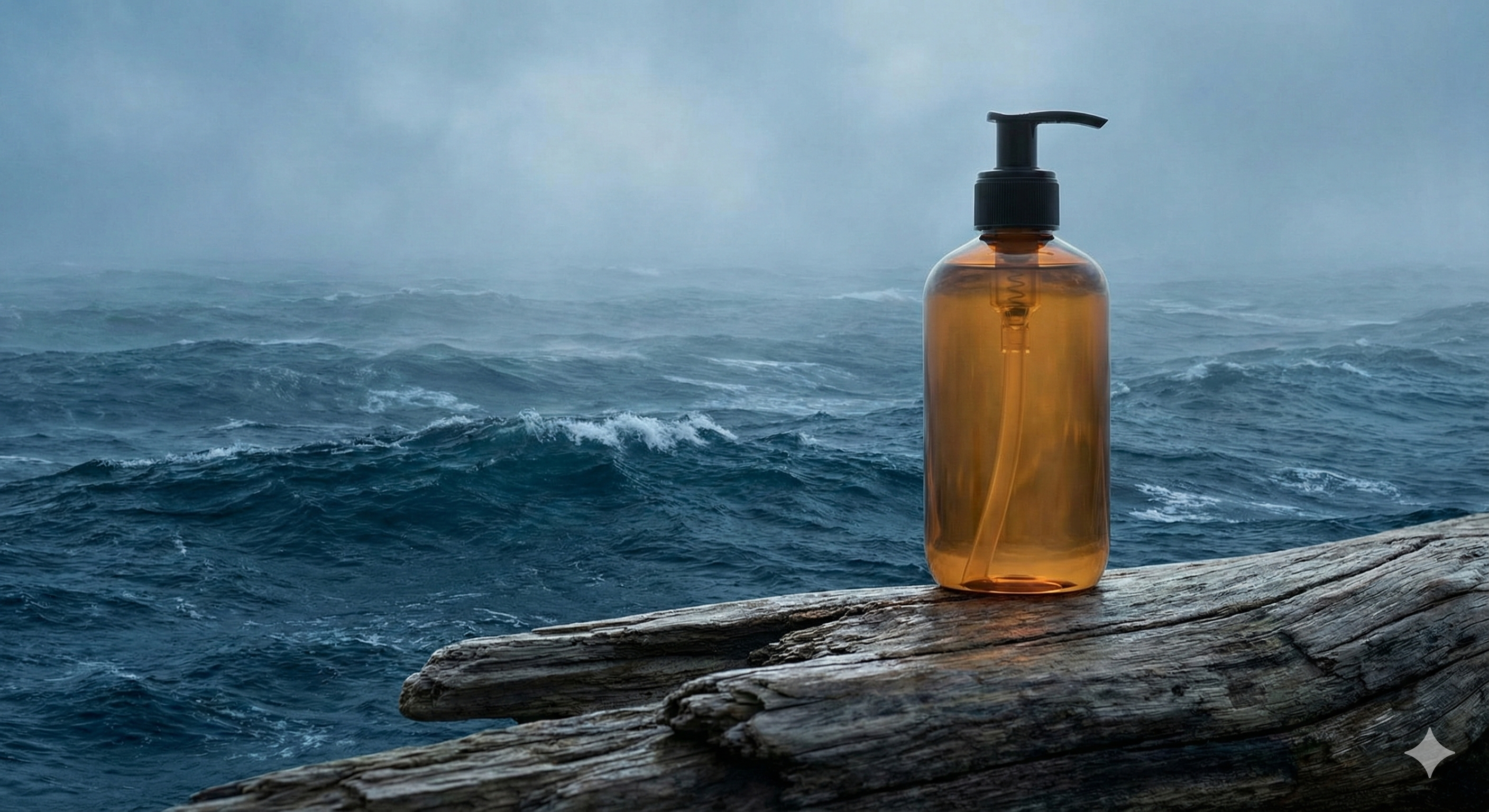
Walk down the skincare aisle of any pharmacy and you'll encounter Neutrogena—a brand that radiates clinical trustworthiness. The name sounds like a European pharmaceutical company. The packaging is clean and medical. And then there's that magic phrase: "Norwegian Formula."
Norwegian Formula. The words conjure images of weathered fishermen on frozen seas, their hands cracked by salt water and arctic winds, yet somehow protected by this miraculous cream. If it works for them, in those extreme conditions, surely it will work for your slightly dry office hands.
Except Neutrogena isn't Norwegian. It isn't even European. It was born in Los Angeles, California, and its original business was supplying makeup to Hollywood studios.
The Promise
Neutrogena's brand identity rests on two powerful associations:
1. The Pharmaceutical Name
"Neutrogena" sounds like a scientific compound—perhaps something developed in a Swiss laboratory by researchers in white coats. The "Neutro-" prefix suggests neutrality (gentle, non-irritating), while "-gena" sounds clinical and precise.
2. The Norwegian Formula
This tagline is pure marketing genius. Norway is associated with:
- Extreme Cold: Products that work in harsh conditions must be effective
- Purity: Nordic countries suggest clean environments and natural ingredients
- Practicality: Scandinavian design emphasises function over frills
- Trustworthiness: Northern European countries rank high in global trust indices
The combination creates a powerful impression: scientific precision meeting real-world toughness, tested in the harshest conditions on Earth.
The Reality
Let's trace Neutrogena's actual origins:
The company started as Natone, a small Los Angeles business that manufactured cosmetics for the film industry in the 1930s. Their specialty was providing makeup products to Hollywood—far from the frozen fjords of Norway.
The transformation came when the company developed a transparent soap (glycerin-based) that was gentler than typical soaps of the era. They renamed the company "Neutrogena" (from "neutral" and a suffix suggesting generation or origin) and repositioned from Hollywood cosmetics to mass-market skincare.
The "Norwegian Formula" tagline came later, as marketing identified the powerful associations that Nordic origins could provide. The hand cream that supposedly worked for Norwegian fishermen was developed in California; the Norwegian connection was purely conceptual.
The Brilliant Trick
The Fisherman Narrative
Neutrogena's marketing built an entire mythology around Norwegian fishermen:
- Their hands are constantly exposed to brutal elements
- Salt water, freezing temperatures, and rough work destroy ordinary skin
- Yet these tough men maintain healthy hands because of this special formula
- If it works for them, it will certainly work for your ordinary life
This narrative is impossible to disprove (who's going to survey Norwegian fishermen about their hand cream preferences?) and deeply compelling.
The Clinical-Natural Hybrid
Neutrogena occupies a unique positioning between two typically opposed categories:
Clinical: The name sounds pharmaceutical. The packaging is clean and functional. The marketing emphasises dermatologist recommendations.
Natural: The Norwegian association suggests purity, clean environments, and products free from industrial contamination.
This hybrid positioning allows Neutrogena to appeal to both consumers who want "scientific" skincare and those who want "natural" products.
What Neutrogena Teaches Us
1. Extreme Conditions Validate Products
By associating with Norwegian fishermen, Neutrogena borrowed extreme-use credibility. If it works in harsh conditions, it must work in ordinary life.
2. Names Can Sound Like Multiple Things
"Neutrogena" sounds pharmaceutical (clinical) while "Norwegian Formula" sounds natural (pure). The brand gets credit for both associations.
3. Narrative Beats Facts
The Norwegian fisherman story is unproveable but compelling. Nobody needs to verify it—the narrative itself does the persuasive work.
The Verdict
Neutrogena represents foreign branding through association rather than origin claims—the same playbook TRESemmé used with its faux-French name, and the same Nordic credibility Napapijri borrowed with its Norwegian flag. The brand never explicitly claims to be Norwegian—it just uses "Norwegian Formula" as a positioning statement that implies Nordic heritage.
From Hollywood makeup supplier to global skincare authority, Neutrogena proves that you can build a Nordic brand identity in sunny California. All you need is a scientific-sounding name, a compelling narrative about fishermen, and consumers willing to believe that Norwegian hand cream must be better than the alternatives.
Next in the series: Dolmio, the "Italian" pasta sauce that was actually invented in Australia.
Want to see how real hand creams and moisturisers score on European origin? Check these examples from our database: