Paris Baguette & Tous Les Jours: Korean Chains Selling the French Fantasy

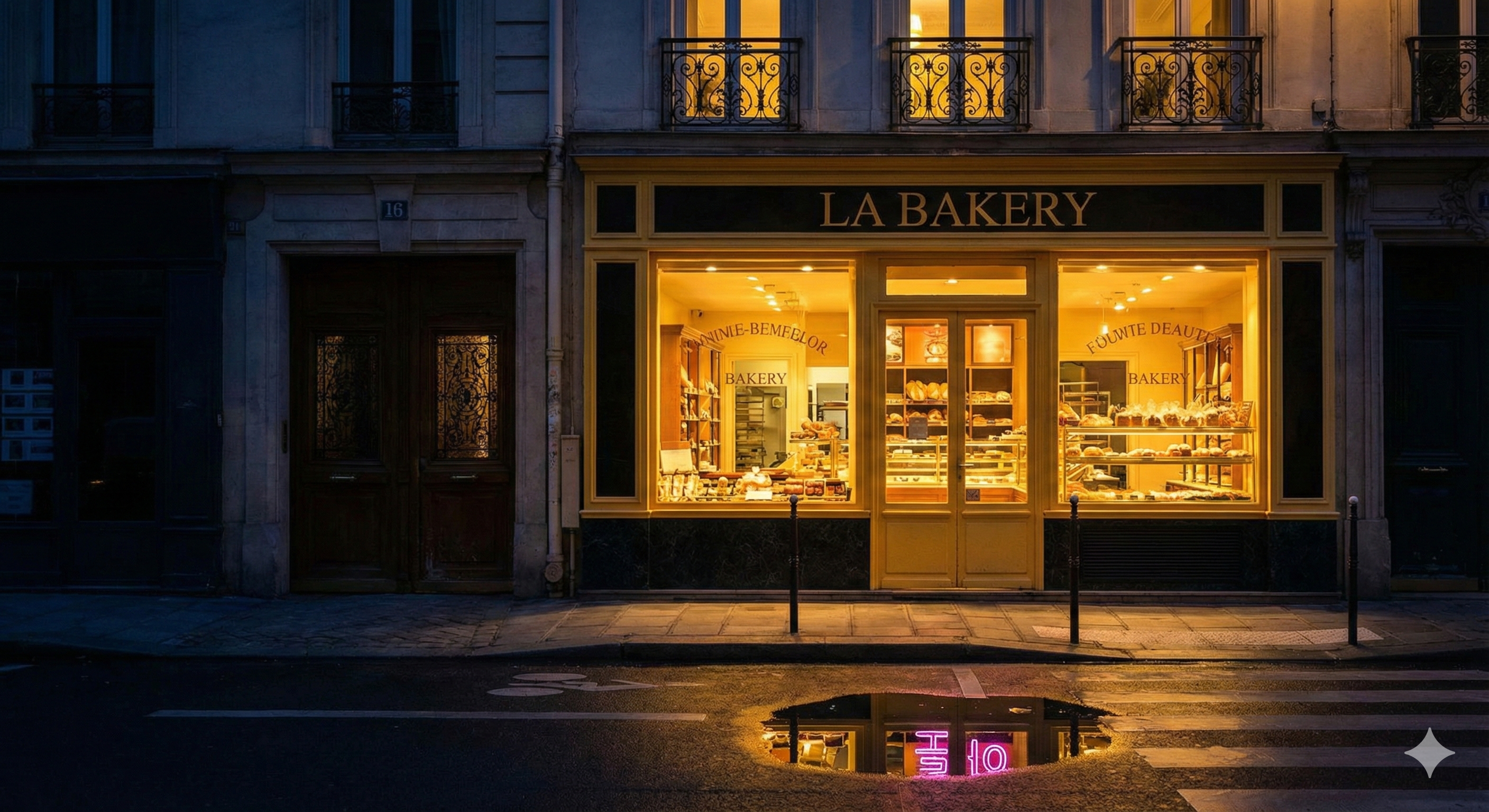
Walk into a Paris Baguette or Tous Les Jours location and you might believe you've stepped into a Parisian boulangerie. The names are French. The décor features Eiffel Tower motifs. The display cases overflow with croissants, baguettes, and pastries arranged with European flair.
Then you notice the green tea croissants. The red bean pastries. The sweet potato bread. And you realise: this isn't France at all. It's South Korea, dressed up in a Parisian costume.
Paris Baguette and Tous Les Jours are two of the world's largest bakery chains, with thousands of locations across Asia and growing presence in Western markets. They represent perhaps the most ambitious example of foreign branding in the food industry—Korean conglomerates selling an entire category of French culinary identity.
The Promise
Both brands make the same implicit promise: authentic French baking, accessible and affordable.
Paris Baguette
- The Name: Directly references France's capital and its iconic bread
- The Slogan: "Way of Life"—suggesting French lifestyle sophistication
- The Stores: European-style café aesthetics with French visual cues
Tous Les Jours
- The Name: French for "every day"—suggesting daily ritual and French routine
- The Aesthetic: Parisian café styling with French typography and colours
- The Promise: French quality as an everyday affordable luxury
The Reality
Both chains are thoroughly Korean:
Paris Baguette
Founded in 1988 as part of SPC Group, a massive South Korean food conglomerate that also operates Dunkin' Donuts franchises in Korea. Headquarters: Seoul, South Korea.
Tous Les Jours
Founded in 1997 as part of CJ Foodville, a subsidiary of CJ Group—one of South Korea's largest conglomerates. Headquarters: Seoul, South Korea.
Neither company has French founders, French heritage, or French culinary training at their core. They're Korean businesses that identified French bakery aesthetics as a valuable market position.
The Brilliant Trick
The Localisation Strategy
Both brands understand that "French bakery" is a flexible concept. Their genius lies in combining French aesthetics with local flavours:
- In Korea: Green tea lattes, kimchi bread, sweet potato pastries alongside traditional French items
- In the USA: More traditional French offerings, fewer Asian flavours, emphasising the Parisian fantasy
- In China: Products adapted to Chinese tastes while maintaining French branding
The French identity provides the premium positioning, but the products adapt to local preferences.
The Global Expansion
Both chains have expanded aggressively beyond Korea:
Paris Baguette: Over 4,000 locations globally, with significant presence in the USA (400+ stores), China, Vietnam, Singapore, and France itself (yes, they've opened in actual Paris)
Tous Les Jours: Over 1,600 locations globally, with presence in the USA, Vietnam, Indonesia, and other Asian markets
The Audacity Factor
Opening a chain called "Paris Baguette" in actual Paris takes considerable audacity. The fact that it works suggests that foreign branding's limits are more flexible than we might assume.
What These Brands Teach Us
1. Entire Categories Can Be Borrowed
Paris Baguette and Tous Les Jours didn't just borrow a French name—they borrowed the entire concept of "French bakery." This is foreign branding at the category level.
2. Adaptation Beats Authenticity
Both chains succeed by adapting to local markets rather than enforcing rigid French standards. The French branding is a framework, not a constraint.
3. Luxury Associations Travel Globally
French culinary prestige works in Seoul, Shanghai, Singapore, and San Francisco. The associations are globally portable.
The Verdict
Paris Baguette and Tous Les Jours represent the industrialisation of foreign branding. These aren't small businesses borrowing French prestige—they're massive corporations building global empires on French cultural capital.
The success of both chains proves that consumers often prefer the idea of France to the reality. A Korean company can deliver "French bakery" better than authentic French bakeries in many markets—because they're selling the fantasy, not the tradition. It's the same insight that let Pret A Manger sell British sandwiches with a French name.
Next in the series: Stella Artois, the Belgian beer that became "reassuringly expensive" by pretending to be French.
Curious how genuinely French brioches and bakery goods score? Check these examples from our database: