The Art of the Name: Why We Pay More for 'European' Brands

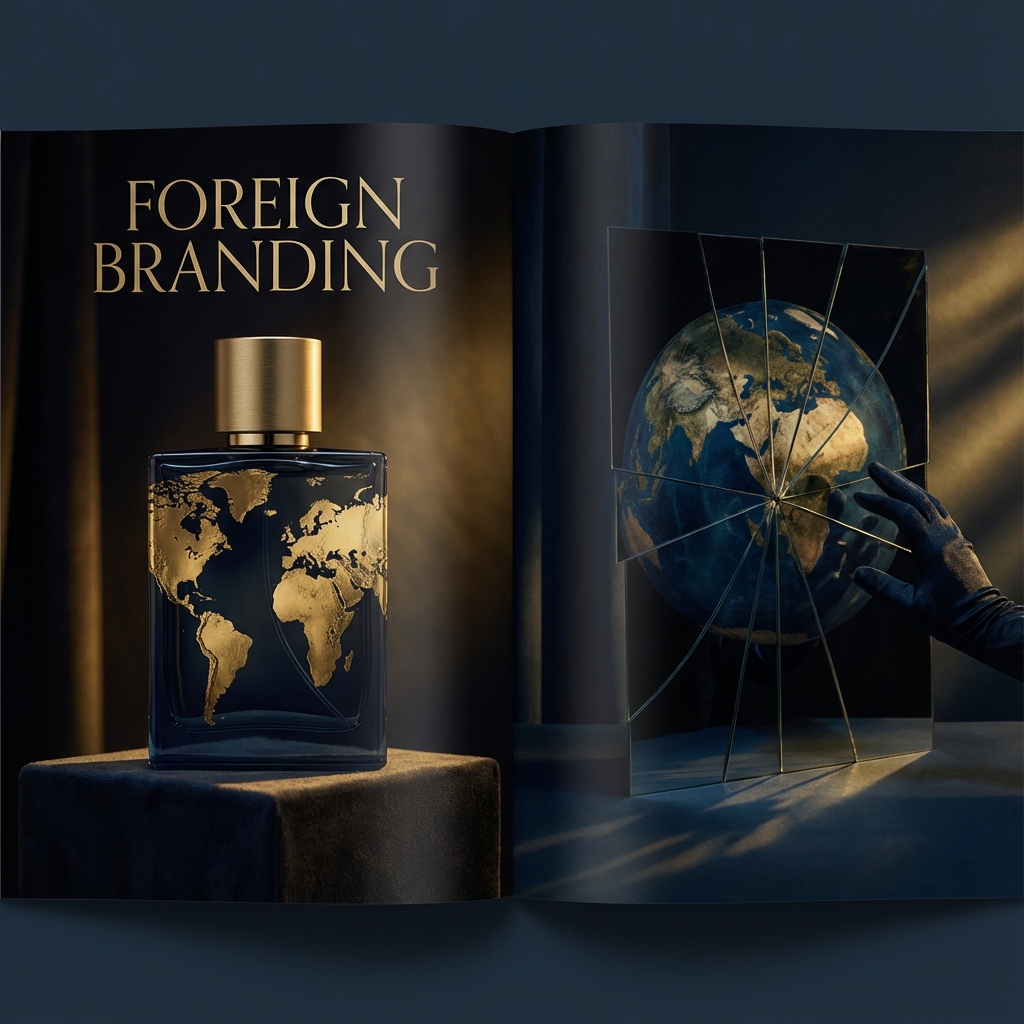
The Art of Elegant Deception
Have you ever wondered why that ice cream with the unpronounceable Scandinavian name costs twice as much as the local brand? Or why the fashion store with the Italian-sounding name charges premium prices for clothes made in the same factories as everyone else? Welcome to the fascinating world of Foreign Branding—where perception trumps reality, and a well-chosen name can be worth billions.
What is Foreign Branding?
"Foreign Branding" is one of the most subtle, effective, and utterly shameless marketing strategies ever invented. It involves companies—often American, Chinese, or local entities—adopting names, symbols, imagery, and narratives from other cultures (particularly European or Japanese) to evoke perceptions of quality, luxury, tradition, sophistication, and authenticity that their actual countries of origin do not necessarily possess.
At first glance, it appears to be fraud. And technically, it is. However, a fascinating legal loophole exists: as long as they do not make explicitly false claims about their origin ("Made in..."), companies are free to pretend to be from wherever they please. It is creative advertising that treads the fine line between brilliant marketing and corporate deceit.
This practice is so widespread that you almost certainly have products in your home right now from "Italian" brands that are Spanish, "French" products that are American, and "Japanese" companies that are actually Chinese. The deception is so complete that even when consumers learn the truth, many continue to buy—because the illusion has already done its work.
The Historical Roots of Foreign Branding
Foreign branding isn't a modern invention. Its roots stretch back centuries to when merchants would label their goods with prestigious place names to command higher prices. English wool was often sold as "Flemish" in medieval markets. Wine from obscure regions was bottled as "Bordeaux." The practice evolved alongside global trade, becoming increasingly sophisticated as marketing emerged as a discipline in the 20th century.
The modern era of foreign branding began in earnest in the 1960s, when entrepreneurs realised that globalisation had created powerful mental shortcuts in consumers' minds. As international travel became more common and media exposed people to different cultures, certain countries became synonymous with certain qualities—and clever marketers learned to exploit these associations.
The Country-of-Origin Effect: The Science of Prejudice
To understand why foreign branding works so effectively, we must first comprehend the Country-of-Origin Effect (COO)—a psychological phenomenon well-documented in consumer behaviour research that has been studied extensively since the 1960s.
Consumers do not evaluate products solely on their technical specifications. Our minds take cognitive shortcuts (heuristics) based on deeply ingrained cultural associations. These mental shortcuts evolved to help us make quick decisions, but they also make us vulnerable to manipulation by savvy marketers.
The Cultural Stereotypes We All Share
-
France: Luxury, beauty, sophistication, indulgence, haute couture, romance, wine, cheese, and effortless elegance. A French name on a product whispers of Parisian cafés, the Champs-Élysées, and centuries of refined taste.
-
Italy: Passion, design, fashion, craftsmanship, la dolce vita, artisanal tradition, and Mediterranean warmth. Italian branding evokes images of Florentine leather workshops, Milanese ateliers, and generations of family craftsmen.
-
Germany: Engineering, precision, durability, industrial efficiency, reliability, and technological superiority. German associations suggest products that will last forever and perform flawlessly.
-
Scandinavia: Purity, nature, minimalist design, quality of life, environmental consciousness, and Nordic simplicity. Scandinavian branding implies clean, honest, well-designed products from a region known for its high standards.
-
Japan: Precision, futuristic technology, Zen minimalism, obsessive quality control, and attention to detail. Japanese associations suggest products crafted with near-spiritual dedication to perfection.
-
Switzerland: Banking precision, watchmaking excellence, alpine purity, and neutral reliability. Swiss branding implies products of the highest possible quality and trustworthiness.
-
United Kingdom: Heritage, tradition, royal approval, and classic style. British branding evokes centuries of history and the stamp of aristocratic approval.
These stereotypes are so powerful that they can completely override our rational evaluation of a product. A landmark study in a German supermarket demonstrated that when customers were informed that Häagen-Dazs was actually from New York (the Bronx) rather than Denmark, willingness to buy plummeted. Yet, the fascinating part is that many are still willing to pay the premium price simply "because the brand already feels premium". The illusion, once established, has remarkable staying power.
The Neuroscience Behind the Effect
Brain imaging studies have shown that country-of-origin information activates the same neural pathways associated with emotional processing and reward anticipation. When we see a "French" perfume or "Italian" leather goods, our brains literally experience a dopamine response—we're not just thinking the product is better, we're feeling it.
This explains why rational arguments often fail against foreign branding. You can tell someone that their "Danish" ice cream is from the Bronx, and they might intellectually acknowledge this fact, yet still reach for it in the supermarket. The emotional imprint is simply too strong to overcome with facts alone.
Why It Works: The Pillars of Elegant Deception
-
Instant Cultural Association: The name is the gateway. "Massimo Dutti" sounds like a Milanese tailor with generations of experience cutting suits for Italian aristocrats; "Massimo Peters" would sound like a neighbour from number 42. The right name creates an instant backstory in the consumer's mind, one that would take years and millions in advertising to build from scratch.
-
Price Justification: Consumers accept paying 3–5 times more for a "French" or "Japanese" product than for an identical local one. The narrative justifies the margin. We're not overpaying—we're investing in quality, tradition, and authenticity. The premium price actually reinforces the perception of quality, creating a virtuous cycle for the brand.
-
Invisible Legal Barrier: Frusen Glädjé sued Häagen-Dazs and lost. The judge ruled that one cannot hold copyright on "pretending to be Scandinavian". This landmark case established that foreign branding exists in a legal grey zone—ethically questionable, but legally protected. As long as companies don't make explicit false claims about where products are manufactured, they can imply any origin they like.
-
Plausible Deniability: The brand never expressly states "Made in Italy". It merely uses an Italian name, scenery from Tuscany, perhaps a fictional founder with an Italian biography. The consumer's brain fills in the rest, constructing a complete narrative that the company never actually claimed. When confronted, the brand can honestly say they never lied—they just let customers believe what they wanted to believe.
-
The Halo Effect: Once a brand establishes its foreign credentials, that perception spreads to everything they do. A "French" cosmetics company's new product line automatically inherits the perceived sophistication, even if it's developed in New Jersey and manufactured in China.
-
Social Signalling: Foreign brands serve as status markers. When you carry a shopping bag from "Massimo Dutti" or serve "Häagen-Dazs" at a dinner party, you're signalling sophistication and worldliness to others—regardless of where the products actually come from.
The Ethics of Elegant Deception
Foreign branding raises profound questions about the nature of marketing and consumer autonomy. Is it ethical to deliberately create false impressions, even without making explicit false claims? Does the consumer bear responsibility for their own assumptions? And at what point does clever marketing cross the line into deception?
Defenders argue that foreign branding is a victimless practice. The products are often high-quality regardless of their actual origin. Consumers receive the psychological benefit of the "premium" experience, even if it's based on illusion. And no one is technically lying.
Critics counter that foreign branding fundamentally undermines informed consumer choice. It exploits cognitive biases rather than competing on actual merit. It can harm domestic industries by associating local products with lower quality. And it contributes to a marketplace where perception completely disconnects from reality.
The debate continues, but one thing is certain: foreign branding works, it's legal, and it's not going away anytime soon.
What You'll Learn in This Series
In the following posts of this series, we'll explore the most notable examples of foreign branding, from absolute classics to new cases of "corporate cultural appropriation". We'll examine:
- Häagen-Dazs: The Bronx ice cream that pretended to be Danish
- Superdry: British streetwear with nonsensical Japanese text
- Massimo Dutti: The fictional Italian tailor from Spain
- Miniso: China's fake Japanese lifestyle brand
- Pret A Manger: London sandwiches with Parisian pretensions
- Montblanc: German precision with a French name
- Kinder: Italian chocolate disguised as German
- And many more...
Each case study reveals not just the mechanics of the deception, but the deeper psychological and cultural forces that make us willing participants in the beautiful lie.
Stay tuned for our first case study: Häagen-Dazs, the founding father of modern foreign branding. You can browse every post in this series under the foreign-branding tag.