Napapijri: The Italian Brand with a Norwegian Flag

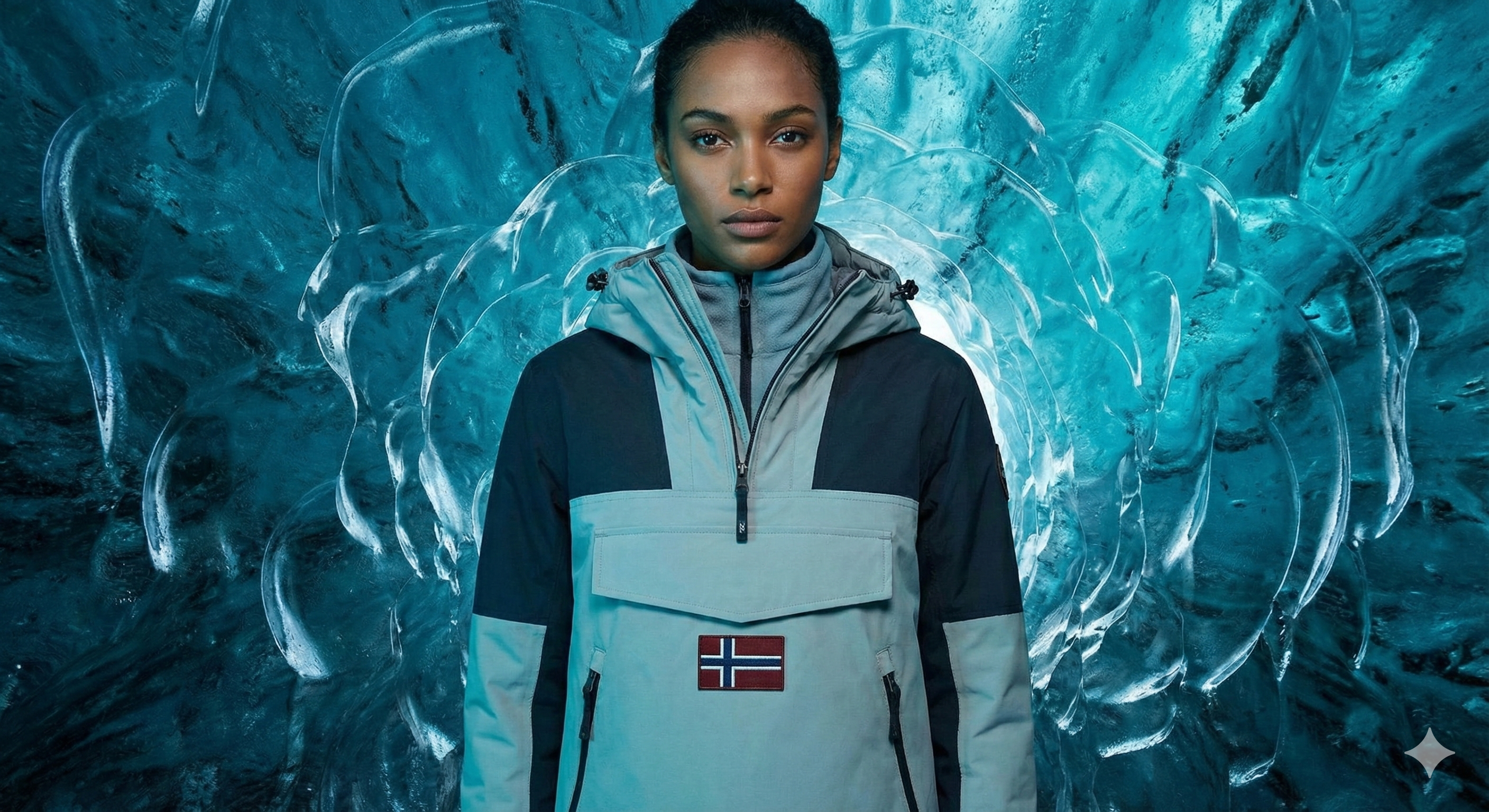
If you've ever seen someone wearing a jacket with a large Norwegian flag patch on the chest, chances are it was a Napapijri. The name sounds vaguely Finnish or Nordic. The iconic Norwegian flag is impossible to miss. The brand positioning suggests Arctic exploration and extreme cold-weather gear.
Everything about Napapijri screams Scandinavia—except for one small detail: it's Italian. Founded in the Aosta Valley, in the Italian Alps, by Italian entrepreneurs. The Norwegian flag is purely decorative, serving no purpose other than to borrow Nordic credibility for what is essentially Italian fashion.
This is foreign branding in reverse: an Italian company pretending to be Nordic, because in technical outdoor clothing, Italy's fashion reputation actually works against them.
The Promise
Napapijri positioned itself as serious outdoor equipment:
- The Name: "Napapijri" is derived from a Finnish-Sami word meaning "Arctic Circle"—suggesting polar exploration heritage
- The Flag: The giant Norwegian flag patch on their iconic "Skidoo" jackets suggests Scandinavian origin
- The Positioning: Technical gear for extreme conditions, tested in Arctic environments
- The Aesthetic: Functionality over fashion, equipment over style
The Reality
Napapijri was founded in 1987 in the Aosta Valley, Italy—a mountainous region in northwestern Italy bordering France and Switzerland. The founders were Italian, the design was Italian, and the company has always been headquartered in Italy.
The brand is currently owned by VF Corporation, the American conglomerate that also owns The North Face, Vans, and Timberland.
There is no Norwegian heritage. No Finnish connection. No Arctic exploration history. The Nordic identity is entirely constructed for marketing purposes.
The Brilliant Trick
The Problem with Italian Identity
In most fashion categories, Italian origin is an asset. But in technical outdoor clothing, the calculation changes:
- Italy = Fashion, style, design, aesthetics
- Scandinavia = Cold weather, functionality, technical expertise, rugged durability
If you're selling outdoor jackets meant to withstand extreme conditions, "Italian" might actually be a liability.
The Nordic Solution
By using a Finnish-derived name and a Norwegian flag, Napapijri borrowed exactly the associations it needed:
- Norway: Extreme cold, fjords, Arctic expeditions, functional gear
- Finland: The Arctic Circle, Sami culture, authentic Nordic heritage
- Scandinavia Generally: Practical design, environmental consciousness, cold-weather expertise
The Flag as Fashion
The Norwegian flag on Napapijri's "Skidoo" jacket became a fashion statement in itself:
- It's instantly recognisable from a distance
- It signals membership in a particular aesthetic tribe
- It suggests adventure, travel, and outdoor lifestyle
- It works as pure visual design regardless of meaning
The Streetwear Crossover
While Napapijri began as outdoor technical wear, it successfully crossed over into streetwear fashion. The Norwegian flag became popular in hip-hop culture and urban fashion contexts far removed from Arctic exploration.
What Napapijri Teaches Us
1. Sometimes Your Country's Reputation Hurts You
Italy's fashion prestige, usually an asset, becomes a liability in technical categories.
2. Flags Are Visual Symbols First
The Norwegian flag functions as a design element, not a national claim. Consumers respond to its visual impact regardless of its literal meaning.
3. Foreign Branding Works in Both Directions
Most foreign branding involves borrowing prestige from more glamorous locations. Napapijri reversed this—an Italian company borrowing rugged credibility from Scandinavia.
The Verdict
Napapijri represents the fascinating complexity of foreign branding. Italy—normally the borrower-from, not the borrower—found itself needing to borrow credibility in a category where its usual advantages became disadvantages. It's the inverse of Massimo Dutti, the Spanish brand borrowing Italian prestige, and a fashion-world echo of Neutrogena's invented "Norwegian Formula".
The Norwegian flag on thousands of jackets worldwide is a purely decorative fiction, serving no purpose except to suggest Nordic heritage that doesn't exist. Yet it works, because consumers associate Norway with cold-weather expertise and functional design.
Next in the series: L'Occitane en Provence, the authentic brand that mastered the art of myth.