
3 posts tagged with "france"

View All Tags

The Best French Pharmacy Anti-Aging Kits: European Data-Backed Skincare (€80–120)

· 5 min read
Laura Martínez
Head of Research & Fact-Checking

French pharmacy skincare—or parapharmacie—has attained a cult-like status globally. Unlike mass-market brands that focus on fragrance and packaging, French laboratory brands like La Roche-Posay, Caudalie, and Nuxe are built on a foundation of dermatological science and local heritage.

In 2026, the trend has shifted from buying single "miracle" products to investing in complete skincare kits. These curated sets are designed to ensure that active ingredients (like retinol, vitamin C, and hyaluronic acid) work in synergy.

But how do these kits score on our European Score? And which ones offer the best value for a budget of €80–120? Let's dive into the data.
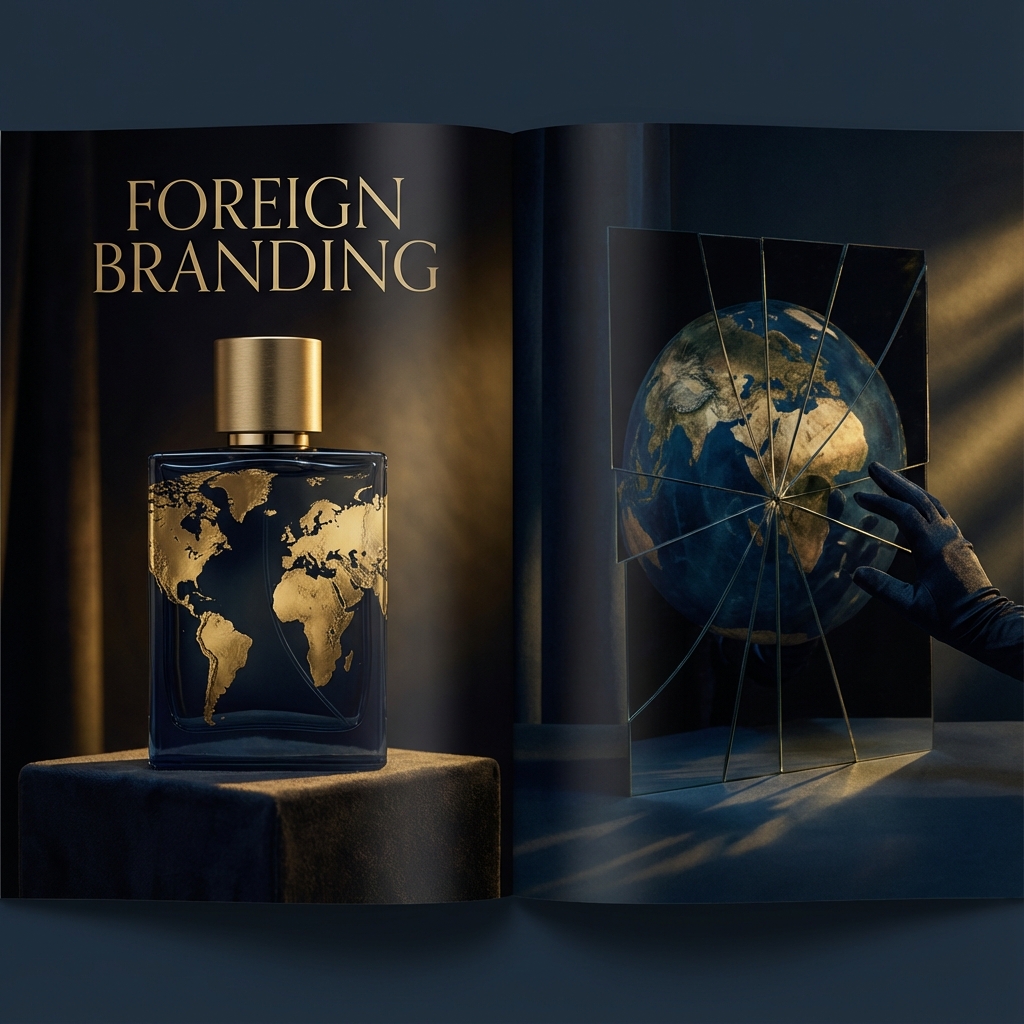
French vs. German Dermo-Cosmetics: A Laboratory Sovereignty Showdown

· 5 min read
Laura Martínez
Head of Research & Fact-Checking

When you walk into a European pharmacy, you are greeted by two distinct philosophies of beauty. On one side, the French "Thermal Water" tradition, represented by powerhouses like La Roche-Posay, Vichy, and Avène. On the other, the rigorous "Skin Science" of Germany, led by giants like Beiersdorf (Nivea, Eucerin) and specialized labs like Sebamed.

Both regions claim to be the pinnacle of skincare. But when we look through the lens of the European Score, a fascinating story of industrial sovereignty emerges.

Which country is doing a better job of keeping its "science" truly European?

L'Occitane en Provence: The Authentic Brand That Mastered the Art of Myth

· 5 min read
Laura Martínez
Head of Research & Fact-Checking

L'Occitane en Provence

In a series dedicated to brands that fake their foreign heritage, L'Occitane en Provence presents a unique and fascinating case. Unlike Häagen-Dazs or Superdry, L'Occitane is genuinely French. It was founded in Provence, and its products are still largely made in France. So why is it included in a series about "fake branding"? Because L'Occitane is a master of a more subtle, and perhaps more effective, form of marketing deception: strategic exaggeration.