Massimo Dutti: The Milanese Tailor Who Never Existed

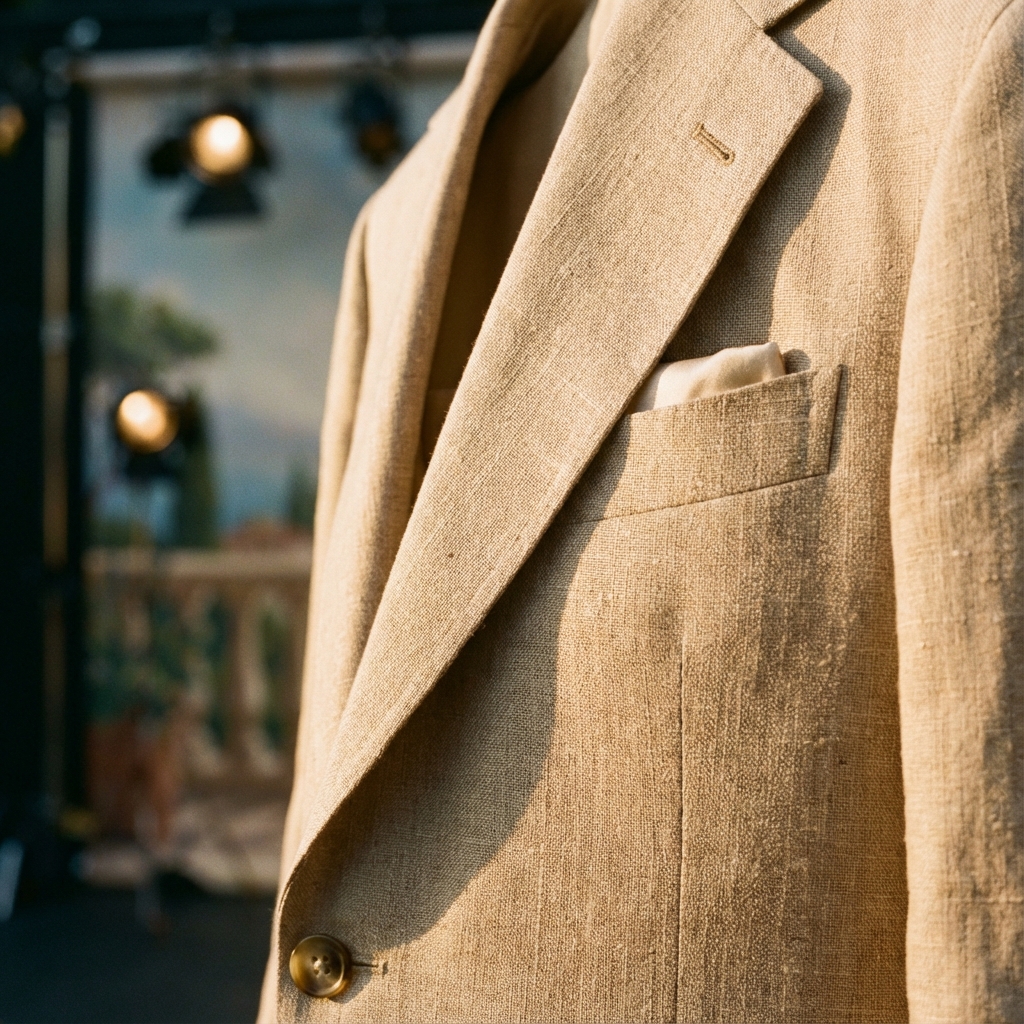
Walking past a Massimo Dutti store window is an exercise in aspiration. The mannequins are dressed in beige linen and cashmere; the lighting is warm and golden; the air smells faintly of expensive cologne. The name above the door whispers of a heritage rooted in Milanese sartorial tradition.
You can almost picture Massimo himself: a silver-haired gentleman in a sharp suit, measuring fabric in a dusty atelier near the Duomo, obsessing over the perfect lapel roll.
He sounds wonderful. It's a shame he never existed.
The Promise
Massimo Dutti promises entry into an exclusive club of European elegance. It positions itself as the grown-up, sophisticated older brother of the high street. If Zara is for the trend-chasing twenty-something, Massimo Dutti is for the young professional who has started drinking wine instead of vodka shots and wants a wardrobe to match.
The brand sells "classic" style—blazers, chinos, silk shirts, leather loafers—at a price point that is high enough to feel premium but low enough to be accessible to the middle class. The Italian name is crucial to this promise. In fashion, "Italian" is shorthand for quality materials, superior cut, and timeless style. It justifies the price tag and elevates the purchase from "buying clothes" to "investing in a look".
The Reality
Massimo Dutti is as Italian as paella.
It is a Spanish brand, founded in Barcelona in 1985. In 1991, it was acquired by Inditex, the colossal fashion group owned by Amancio Ortega that also owns Zara, Pull&Bear, and Bershka.
The company is headquartered in Tordera, Catalonia. Its logistics, management, and design teams are Spanish. Its production model utilises the same global supply chain networks as Zara, albeit often with slightly higher-grade fabrics to support the premium positioning.
There was never a tailor named Massimo Dutti. The name was invented purely for its phonetic qualities. It rolls off the tongue with a musicality that suggests luxury. It sounds established, wealthy, and unmistakably distinct from the fast-fashion franticness of its sister brands.
The Brilliant Trick
Inditex realised early on that they couldn't sell "premium" clothes under a name that sounded too local or too generic. "Confecciones Ortega" doesn't sell cashmere sweaters for €100. "Massimo Dutti" does.
This strategy is known as "Masstige" (Prestige for the Masses). The goal is to sell mass-produced goods with the allure of luxury.
The genius of Massimo Dutti lies in its total commitment to the bit. It's not just the name; it's the entire theatre of retail:
- The Stores: Unlike the chaotic jumble of a Zara sale rail, Massimo Dutti stores are designed to look like boutique hotels or high-end apartments. Dark wood, marble, leather armchairs, and carefully curated scents.
- The Imagery: Advertising campaigns rarely feature "trendy" models. Instead, they feature older, distinguished models or "aristocratic" looking types, often shot in locations like the Hamptons, the Amalfi Coast, or Swiss ski resorts.
- The Silence: The brand rarely speaks about its origins. It doesn't lie and say "Made in Italy" (the labels clearly state made in Portugal, Turkey, or China), but it allows the name to do all the talking.
The Result
The trick has been spectacularly successful. Massimo Dutti has successfully carved out a unique niche in the global fashion market. It sits comfortably between the high street (H&M, Zara) and the true luxury sector (Gucci, Prada), capturing the vast market of consumers who want to look wealthy without spending a fortune.
For Inditex, it creates a pathway for customer retention. A customer might start shopping at Bershka as a teenager, graduate to Zara in their twenties, and "mature" into Massimo Dutti in their thirties. The Italian name gives them permission to feel like they have upgraded their lifestyle, even if they are fundamentally still buying from the same corporate entity.
Conclusion
Massimo Dutti teaches us that elegance is an atmosphere, not a geography. By borrowing the cultural capital of Italy, a Spanish fast-fashion giant managed to create a brand that feels timeless and personal. We buy the clothes not just because they fit, but because we want to be the kind of person who knows a tailor named Massimo. And in the end, does it matter that he's imaginary if the linen suit looks this good?
Related in this series: Montblanc, German precision with a French name · Napapijri, the Italian brand with a Norwegian flag