Miniso: The Chinese Giant That Had to Apologise for Pretending to Be Japanese

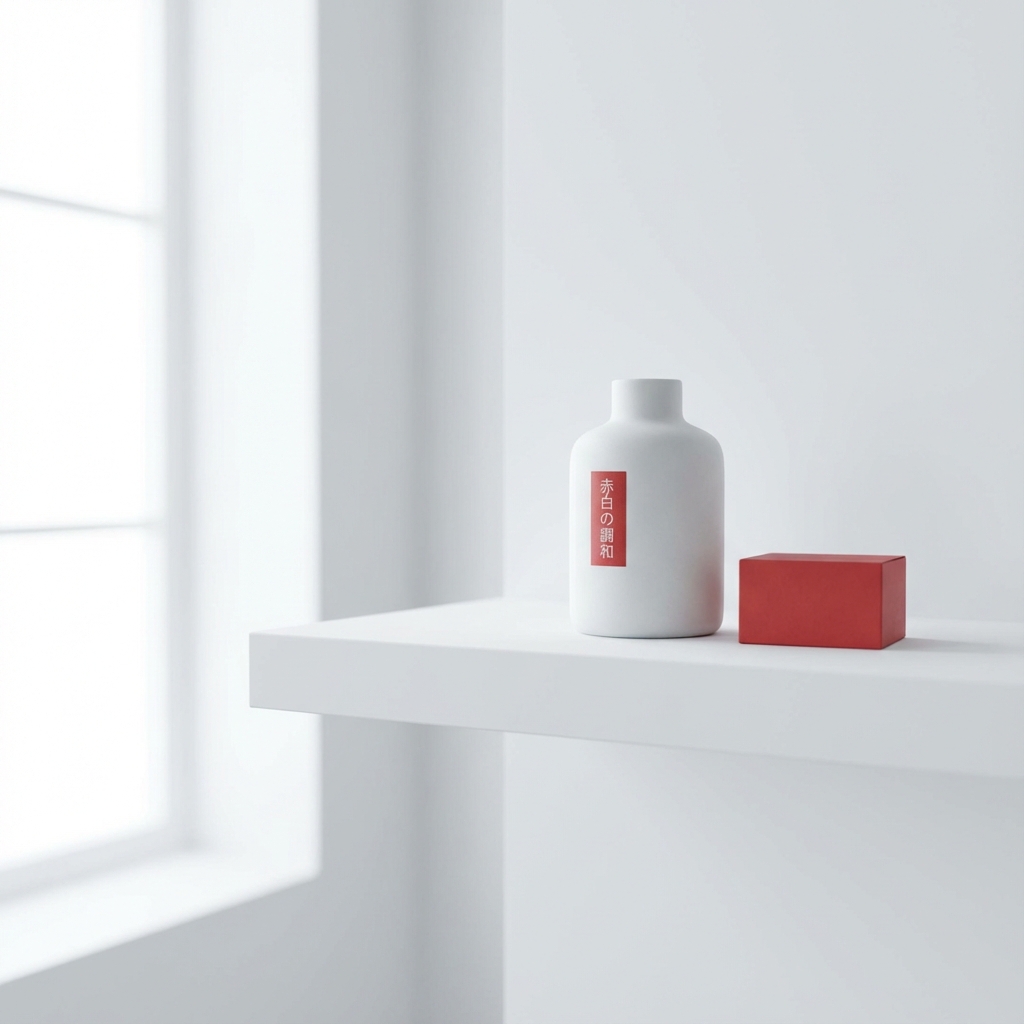
Walk into any Miniso store and you're immediately transported to what feels like Japan. The minimalist aesthetic, the clean white displays, the cute character merchandise, the satisfying organisation of everyday objects transformed into design statements.
The logo—a simple red square with white lettering—could easily be mistaken for Uniqlo. The product design screams Muji. Everything about the experience suggests a Japanese brand that has mastered the art of affordable, well-designed lifestyle products.
Except it's not Japanese. Not even close. And the story of how Miniso built a global empire on borrowed Japanese identity—and eventually had to apologise for it—is one of the most dramatic tales in foreign branding history.
The Promise
Miniso positioned itself as a "Japanese Designer Brand"—those exact words appeared on their marketing materials for years. The brand promise was irresistible: genuine Japanese design sensibility, that special wa aesthetic of harmony and simplicity, but at prices that anyone could afford.
The visual identity reinforced this narrative at every turn:
- The Logo: A red square with rounded corners containing the word "MINISO" in clean white letters—unmistakably reminiscent of Uniqlo's iconic branding
- Store Design: Minimalist white interiors with wooden accents, products displayed with almost museum-like precision
- Product Aesthetic: The Muji-meets-IKEA look—simple shapes, muted colours, products that make mundane objects feel designed
- Japanese Text: Characters printed on packaging and signage, suggesting authentic Japanese origin
The brand claimed to embody Japanese design philosophy: the attention to detail, the elevation of everyday objects, the belief that good design should be accessible to everyone. Shopping at Miniso was presented as a way to bring a little piece of Japanese lifestyle culture into your home.
The Reality
Miniso is a Chinese retail giant.
It was founded in 2013 by Ye Guofu, a wealthy Chinese entrepreneur, and is headquartered in Guangzhou, China.
However, the "Japanese" narrative wasn't totally fabricated—it was engineered. Ye Guofu reportedly met Miyake Junya, a Japanese designer, and hired him as a co-founder to be the "face" of the brand. For years, promotional materials featured Miyake heavily, lending an air of legitimacy to the operation. It was a classic "rent-a-foreigner" strategy: buy the face, sell the heritage.
Despite the Japanese frontman, the operations, capital, supply chain, and management were overwhelmingly Chinese. The company lists on the NYSE and HKEX as a Chinese holding company.
The Brilliant Trick
Miniso's strategy was a masterclass in "derivative innovation". They didn't just copy one brand; they mashed up the best elements of Japan's retail titans:
- Aesthetic of Muji: The "no-brand" minimalist product design.
- Logo of Uniqlo: The red square typography is strikingly similar.
- Price of Daiso: The low-cost, high-volume model.
They even used (often grammatically incorrect) Japanese Katakana characters on their packaging and store signs alongside English and Chinese. For the average consumer in Jakarta or Mexico City, the visual cues were enough. It looked Japanese, so it was Japanese.
The Controversy
The strategy worked perfectly—until it worked too well.
Miniso became a massive global success, with over 5,000 stores. But as it grew, scrutiny increased. Japanese consumers were baffled (and annoyed) by the "fake Japanese" brand. But the real backlash came from home.
In 2022, amidst rising nationalist sentiment in China, Miniso's Spanish Instagram account posted a photo of Disney Princess dolls dressed in Qipao (traditional Chinese dresses) but captioned them as "Japanese Geishas".
The internet exploded. Chinese social media users accused the brand of being unpatriotic, of "worshipping foreign things", and of erasing Chinese culture. They dug up old videos of Miniso executives signing contracts under Japanese flags and store policies banning Chinese songs.
The backlash was so severe that Miniso's stock price tumbled. The company was forced to issue a grovelling public apology. They promised to "de-Japanise" their brand completely by 2023—removing Japanese characters from logos, changing store signage, and proudly promoting their identity as a Chinese cultural ambassador.
The Result
Miniso is a unique case study because it shows the limits of foreign branding. It worked beautifully to conquer global markets where "Japanese" meant "Quality". But in an era of heightened nationalism and digital transparency, you can't play both sides forever.
Miniso is now in an awkward transition: trying to maintain the minimalist aesthetic that made it famous while stripping away the national identity that inspired it. Yet, the stores remain full. It turns out that while the lie about being Japanese helped them start, the reality of selling cute neck pillows for $5 is what actually keeps customers coming back.
Conclusion
Miniso illustrates the high-stakes game of cultural borrowing. It proves that a brand's nationality is just another costume it can wear—until the audience turns on the performance. Today, Miniso is a Chinese giant, but its DNA will always be a testament to the marketing power of the word "Japan".
Related in this series: Superdry, the British brand built on Japanese gibberish · Häagen-Dazs, the founding father of fake branding