Pret A Manger: How French Made British Sandwiches Chic

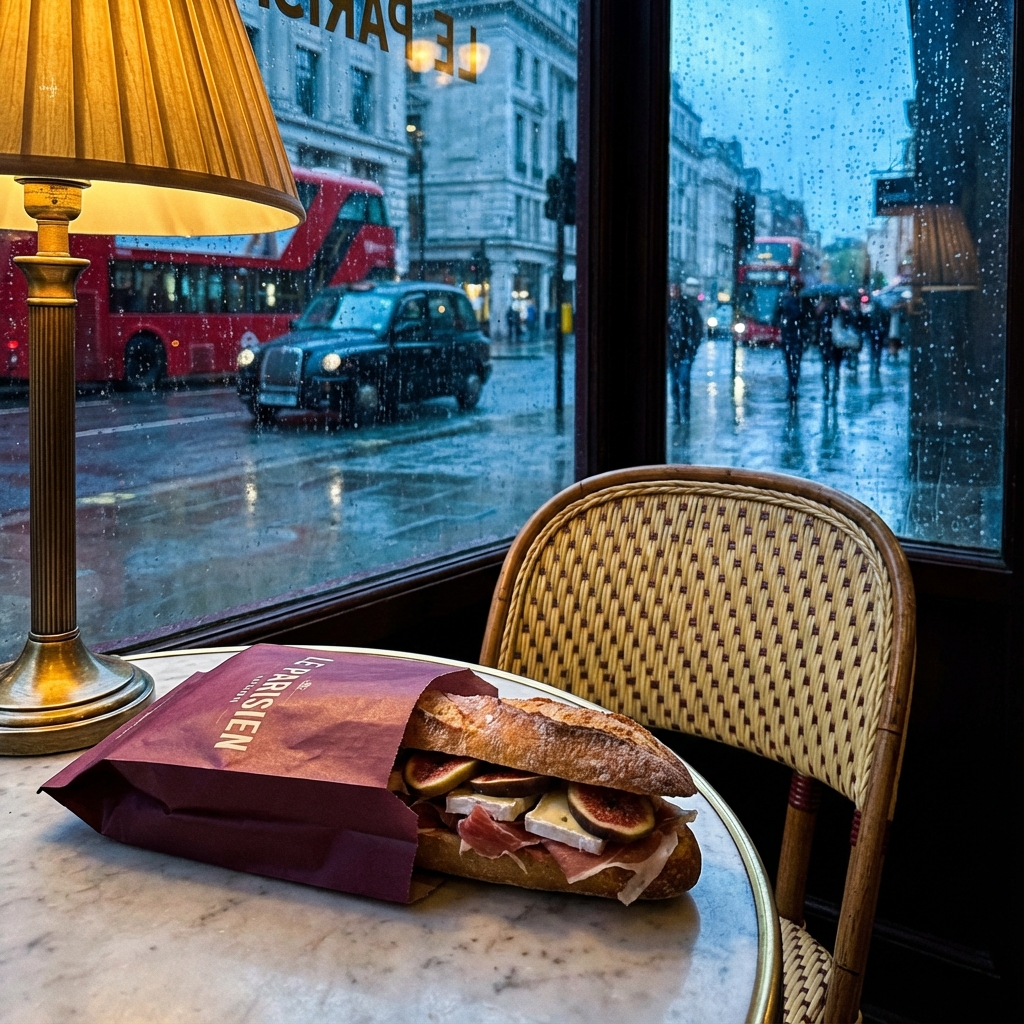
In 1980s Britain, the sandwich had an image problem. It was the sad sustenance of office workers who couldn't afford a proper lunch—limp bread, questionable fillings, wrapped in cling film. Then came Pret A Manger, and everything changed.
The Promise
"Prêt à Manger" is French for "Ready to Eat"—a simple phrase that sounds infinitely more sophisticated to English ears. The brand promised Parisian café culture in a London lunch break:
- Store Design: Deep burgundy colours, wooden fixtures—the aesthetic of a Parisian bistro
- Menu Language: "Artisan," "organic," "hand-crafted"—French boulangerie vocabulary
- Positioning: Not fast food, but "fast-casual"—a category Pret helped create
The Reality
Pret A Manger is 100% British. Founded in London in 1986 by Sinclair Beecham and Julian Metcalfe—two English entrepreneurs with no French heritage. The original shop opened near Victoria Station, targeting City commuters.
The food was never particularly French. Pret sold sandwiches, wraps, and salads that could come from any competent kitchen. The innovation was in the branding that made ordinary lunch food feel special.
The Brilliant Trick
Linguistic Alchemy
Compare the brand names:
- Ready to Eat: Sounds like a supermarket own-brand. Functional, forgettable.
- Pret A Manger: Sounds like a boutique. Sophisticated. Special.
The French name elevated the product. The same sandwich that would seem sad in a "Ready to Eat" wrapper felt like a treat from "Pret A Manger."
Perfect Timing
Pret launched at the height of 1980s yuppie culture. Young professionals wanted lunch that reflected their self-image: sophisticated, continental, upwardly mobile. The burgundy bags became status symbols.
Freshness Promise
Beyond the French name, Pret built on genuine freshness: everything made daily, unsold items to charity each night, visible kitchens. The French branding made customers want to pay premium prices.
The Global Expansion
Today, Pret operates hundreds of stores across the UK, US, Europe, and Asia. In 2018, JAB Holding Company acquired Pret for approximately £1.5 billion.
Notably, Pret has never opened stores in France itself—unlike Paris Baguette, the Korean chain that did open in actual Paris.
The Pret Effect
Pret changed how Britain eats lunch. It spawned imitators using similar strategies: Itsu (Japanese-inspired but British), Leon (continental-sounding), Wasabi (British-owned with Japanese associations).
What Pret Teaches Us
- Names Are Feelings: The name describes how customers should feel, not what they're buying
- Language Creates Category: French distinguished Pret from "ordinary" sandwiches
- Aspiration Sells: People buy identity, not just food
- Consistency Builds Equity: 40 years of the same aesthetic built billions in brand value
The Verdict
Pret A Manger is foreign branding at its most elegant. No fake founder, no invented backstory. Just a French name on British sandwiches that transformed perception into billions of pounds.
Next in the series: Montblanc, the German pen company with a French name.
Wondering how actual supermarket sandwiches score? Check these examples from our database: