Discover Truly European Products

Tired of marketing tricks? Find products that are genuinely made in Europe.

Verify Your Products at EUProductScore.com

The 'Vegan Leather' Deception: How Plastic Became a Premium Product

· 5 min read
EU Product Score
Editorial team

You are in a trendy concept store in Berlin or Shoreditch. The lighting is industrial-chic, the plants are lush, and the prices are steep. You pick up a sleek, minimalist handbag. It looks smooth, feels soft.

"That's our best-seller," the sales assistant smiles, adjusting their glasses. "It's made of 100% vegan leather."

You nod appreciatively. Vegan. The word triggers a cascade of positive associations: cruelty-free, ethical, sustainable, progressive. You imagine a guilt-free product, perhaps made from pineapples or mushrooms, saving the planet one accessory at a time. You check the price tag: €250. It feels like a small price to pay for a clear conscience.

But if you looked at the material composition label hidden deep inside the lining, you would see a different word, one with zero marketing appeal: Polyurethane.

You haven't bought a revolutionary eco-product. You've just bought a plastic bag.

The 'Italian' Tomato Scandal: The Red Gold Rush

· 4 min read
EU Product Score
Editorial team

You are standing in the pasta aisle, surrounded by a sea of red. You reach for a jar of marinara sauce. The label features a rustic Tuscan farmhouse, a tricolor flag, and the words "Authentic Italian Recipe."

You toss it in your basket, imagining sun-drenched vines in Campania and nonnas stirring copper pots. It costs €1.89. A bargain for a taste of the Mediterranean.

But stop. Look closer.

There is a high probability that the "Italian" tomatoes in that jar didn't grow under the Italian sun. In fact, they might have grown 8,000 kilometers away, in the Xinjang region of China, only to be shipped in massive blue barrels of triple-concentrate paste to the port of Salerno.

Welcome to the world of "Red Gold"—where the label is Italian, but the reality is global.

The 'Sustainable' T-Shirt Lie: Why Your Eco-Friendly Cotton Isn't Saving the Planet

· 3 min read
EU Product Score
Editorial team

You’re standing in the aisle of a brightly lit high-street fashion chain. In your hand, you hold a beige t-shirt. It feels thin, almost brittle. A heavy cardboard tag hangs from the collar, printed with earthy tones and leaf motifs: "Conscious Collection," it proclaims. "100% Organic Cotton."

You feel a wave of relief. You can buy this. You can participate in the cycle of consumption without the guilt. It’s only €12.99, and it’s saving the planet.

But here is the uncomfortable truth the industry doesn't want you to know: That t-shirt is a lie.

Europe's Repair Scorecards: Making Longevity a Competitive Advantage

· 4 min read
EU Product Score
Editorial team

Europe's consumer landscape is shifting again, and this time the battleground is durability. A new wave of repair scorecards for electronics and household appliances is rolling out across several EU member states, giving shoppers a simple, visible way to compare how long products are likely to last and how easy they are to fix.

The 'Swiss Made' Mirage: Why Your Luxury Watch Might Be More Asian Than Alpine

· 5 min read
EU Product Score
Editorial team

Swiss Watch Mechanism

Close your eyes and picture a Swiss watchmaker. You likely see an elderly artisan in a snow-dusted village in the Jura Mountains, hunched over a wooden workbench. He's wearing a loupe, carefully polishing a microscopic gear with the patience of a saint. Outside, cowbells chime in the distance. The air is crisp. The watch he is building is a pure product of this alpine perfection—every screw, every spring, every plate forged in the heart of Europe.

Europe Against Trump: European Consumption vs. Tariffs and Greenland Extortion

· 8 min read
EU Product Score
Editorial team

In an unprecedented escalation of transatlantic tensions, former U.S. President Donald Trump has announced sweeping tariffs on eight European nations, directly linking them to his controversial ambition to acquire Greenland. This bold move has sparked widespread protests across Europe and ignited a consumer movement urging Europeans to boycott American products and choose European alternatives instead.

The Spy on Your Nightstand: Why Data Sovereignty is the New 'Made in Europe'

· 3 min read
EU Product Score
Editorial team

It starts with a simple desire: you want to turn off the lights without getting out of bed. You browse an online marketplace and find a pack of four smart bulbs for €25. A steal, right? The European alternative from a heritage brand costs €50 for just two. You click "Buy Now," feeling like a savvy shopper.

But as you screw that bulb in and connect it to your Wi-Fi, you aren't just letting in light; you might be opening a backdoor to your digital life. While Brussels fights for your digital rights with the GDPR, your bargain-bin IoT device is quietly routing your usage data through servers where "privacy" is just a polite suggestion, not a law.

The uncomfortable truth is that in 2026, where your data lives is just as important as where your product was manufactured.

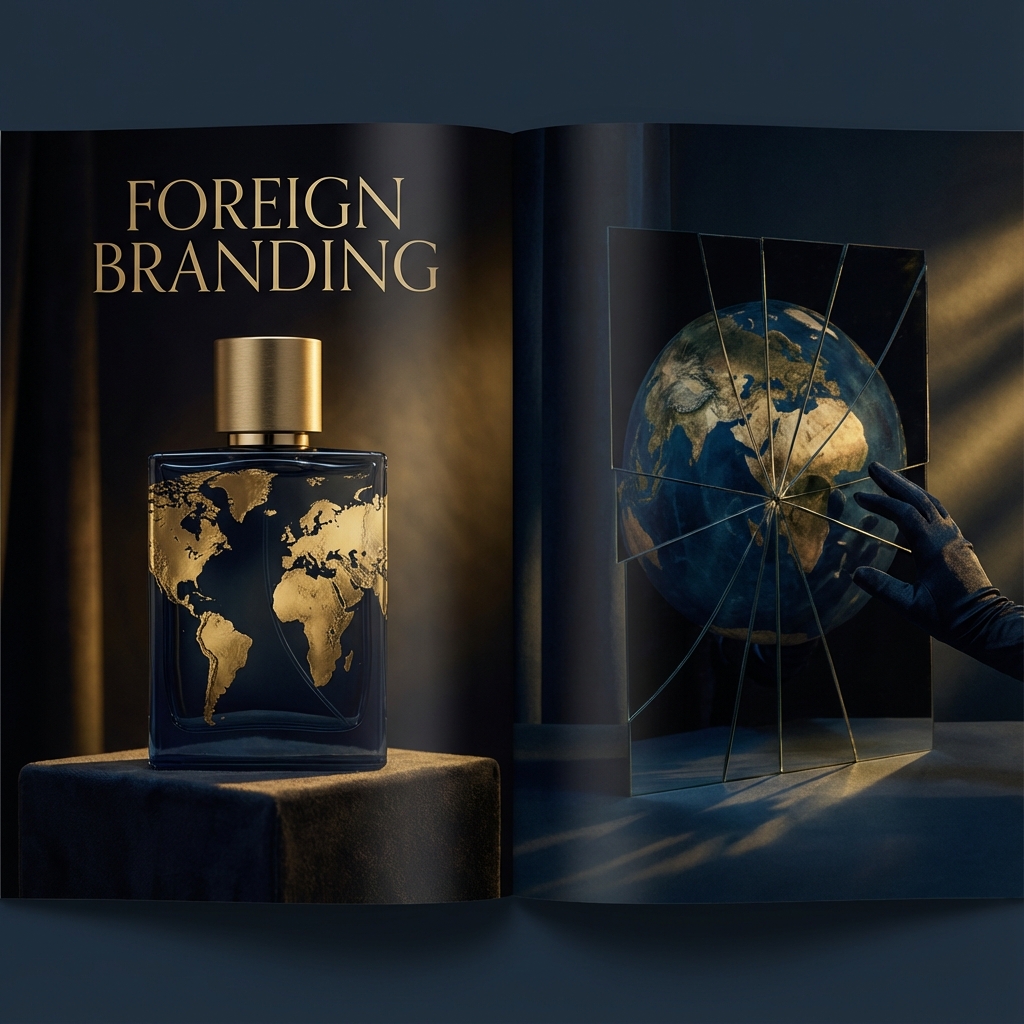
Foreign Branding: What the Beautiful Lie Reveals About Us

· 5 min read
EU Product Score
Editorial team

Over the course of this series, we've examined thirteen brands that pretend to be from somewhere they're not. Danish ice cream from the Bronx. Japanese streetwear from Cheltenham. Italian tailors who never existed. Norwegian skincare from Los Angeles. French sandwiches from London.

L'Occitane en Provence: The Authentic Brand That Mastered the Art of Myth

· 5 min read
EU Product Score
Editorial team

L'Occitane en Provence

In a series dedicated to brands that fake their foreign heritage, L'Occitane en Provence presents a unique and fascinating case. Unlike Häagen-Dazs or Superdry, L'Occitane is genuinely French. It was founded in Provence, and its products are still largely made in France. So why is it included in a series about "fake branding"? Because L'Occitane is a master of a more subtle, and perhaps more effective, form of marketing deception: strategic exaggeration.

Napapijri: The Italian Brand with a Norwegian Flag

· 4 min read
EU Product Score
Editorial team

Napapijri

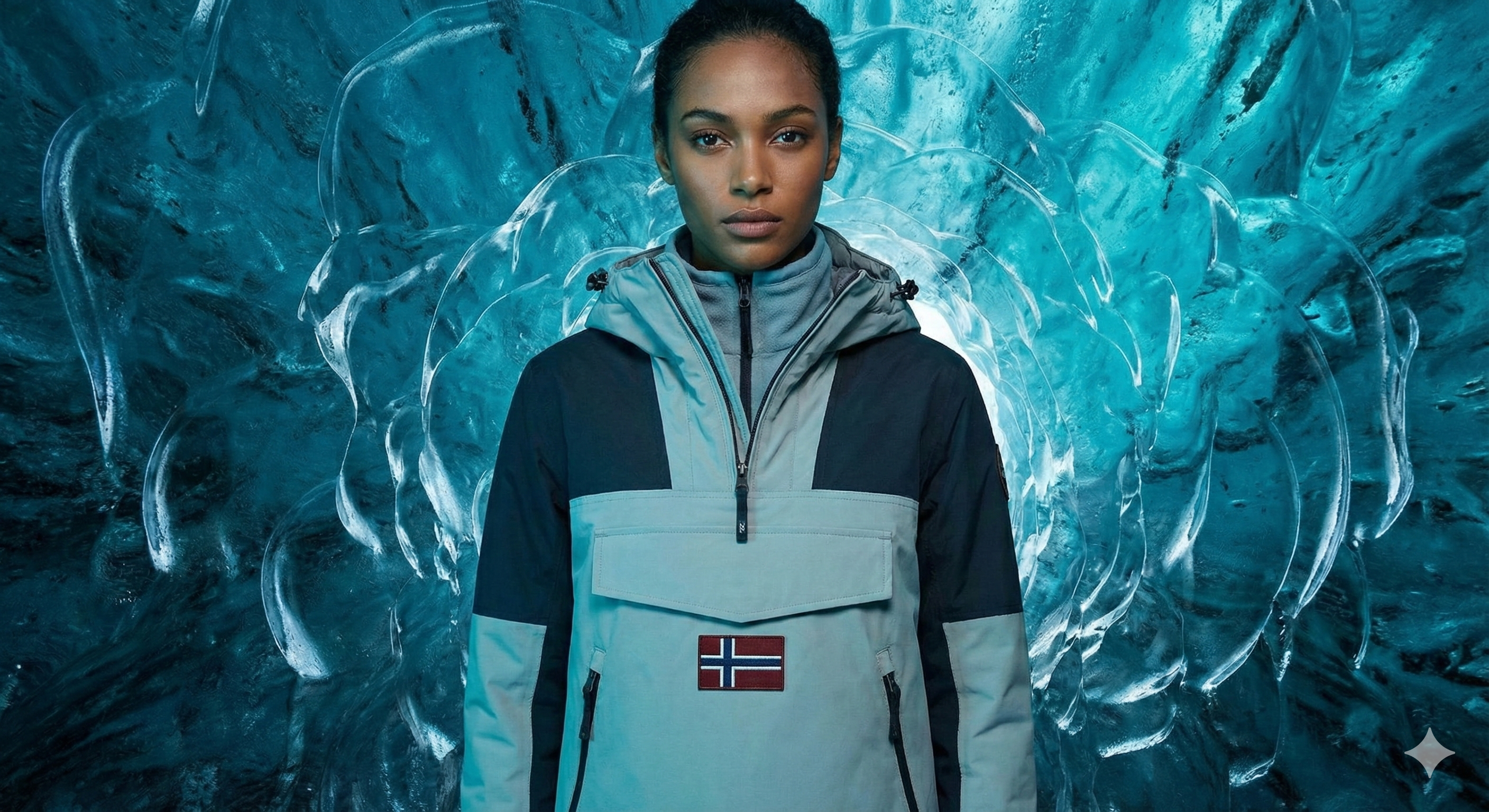
If you've ever seen someone wearing a jacket with a large Norwegian flag patch on the chest, chances are it was a Napapijri. The name sounds vaguely Finnish or Nordic. The iconic Norwegian flag is impossible to miss. The brand positioning suggests Arctic exploration and extreme cold-weather gear.